
Transform Your Health Through Smart Nutrition
Discover practical nutritionist tips and science-backed guidance to build sustainable eating habits. Learn how balanced nutrition can enhance your energy, vitality, and overall wellbeing.

The Importance of Nutrition
of health outcomes depend on lifestyle choices including nutrition
essential nutrients your body needs daily from balanced meals
of beneficial compounds found in whole foods and plant-based sources
your metabolism works to process nutrients and fuel your body

Why Balanced Eating Matters
Proper nutrition is the foundation of good health. When you eat balanced meals with appropriate portions of protein, carbohydrates, healthy fats, vitamins, and minerals, you provide your body with the fuel and building blocks it needs to function optimally.
Our nutritionist tips focus on practical, sustainable changes that fit into your lifestyle. Rather than restrictive diets, we emphasise understanding your body's needs and making informed food choices that support your unique health goals.
- Sustained Energy: Balanced nutrition stabilises blood sugar and provides consistent energy throughout the day
- Mental Clarity: Proper nutrients support brain function, focus, and emotional wellbeing
- Healthy Aging: Antioxidants and micronutrients help protect cells and maintain vitality
Essential Nutrition Tips
Practical guidance from nutrition experts to help you make better food choices every day
Eat Whole Foods
Focus on unprocessed, whole foods like fruits, vegetables, legumes, nuts, and whole grains. These contain natural fibre, vitamins, and minerals that processed foods lack, supporting optimal digestion and sustained wellbeing.
Practice Portion Control
Understanding appropriate portion sizes helps maintain energy balance. Use visual guides like the palm method for protein or fill half your plate with vegetables to naturally regulate intake without restrictive counting.
Stay Hydrated
Water supports every bodily function from digestion to nutrient transport. Aim for consistent hydration throughout the day, adjusting for activity level and climate. Even mild dehydration can affect energy and concentration.
Eat the Rainbow
Different coloured foods contain different phytonutrients and antioxidants. Including a variety of red, orange, yellow, green, and purple foods ensures you receive a broad spectrum of protective compounds.
Plan Your Meals
Meal planning reduces impulsive food choices and ensures balanced nutrition throughout the week. Simple preparation saves time and helps you stay consistent with healthy eating habits despite busy schedules.
Mindful Eating
Slow down during meals, chew thoroughly, and notice hunger and fullness cues. Mindful eating improves digestion, helps prevent overeating, and allows you to genuinely enjoy the flavours and textures of your food.
Common Questions About Healthy Eating
Find answers to questions our readers frequently ask about nutrition and building healthy habits
How much water should I drink daily?
A common guideline is eight 8-ounce glasses (about 2 litres), but individual needs vary based on activity level, climate, and body composition. A practical approach is to drink until your thirst is satisfied and your urine is pale yellow. Fruits, vegetables, and other beverages also contribute to your daily fluid intake.
Is it necessary to eliminate carbohydrates?
No. Carbohydrates from whole grains, legumes, fruits, and vegetables are essential for energy and brain function. The key is choosing complex carbohydrates high in fibre over refined options. Balance carbohydrates with protein and healthy fats for sustained energy and satisfaction.
What makes a meal "balanced"?
A balanced meal typically includes a source of protein (meat, fish, beans, tofu), healthy carbohydrates (whole grains, starchy vegetables), plenty of non-starchy vegetables, and a source of healthy fat (oils, nuts, avocado). This combination provides sustained energy and essential nutrients.
Can I eat healthy on a budget?
Absolutely. Buy seasonal produce, choose dried legumes and canned beans, purchase whole grains in bulk, and focus on eggs, frozen vegetables, and locally sourced foods. Meal planning prevents waste and allows you to prioritise nutrition-dense foods over expensive processed alternatives.
How do I handle cravings for less healthy foods?
Cravings are normal. Rather than complete restriction, include small portions of foods you enjoy as part of a balanced diet. Ensure you're eating regular, balanced meals to prevent extreme hunger. Address potential nutrient deficiencies and consider whether cravings reflect emotional needs rather than physical hunger.
Should I use supplements or whole foods?
Whole foods should be your primary nutrition source as they contain fibre, phytonutrients, and compounds that work synergistically. Supplements may be beneficial for specific deficiencies identified through discussion with a healthcare provider, but they cannot replace a well-rounded diet.
Your Journey to Better Nutrition
A structured approach to developing sustainable healthy eating habits
Assess Your Current Habits
Track your eating patterns for a week. Notice what you eat, when you eat, and how different foods make you feel. This awareness is the foundation for meaningful change.
Set Realistic Goals
Define specific, achievable goals like "add one vegetable serving to lunch" rather than vague resolutions. Small, incremental changes are more sustainable than dramatic overhauls.
Plan and Prepare
Develop a simple meal plan for the week and prepare key ingredients. Having healthy options readily available removes friction and supports consistency.
Review and Adjust
Periodically reflect on what's working and what isn't. Nutrition is personal—adjust your approach based on how your body responds and what feels sustainable.
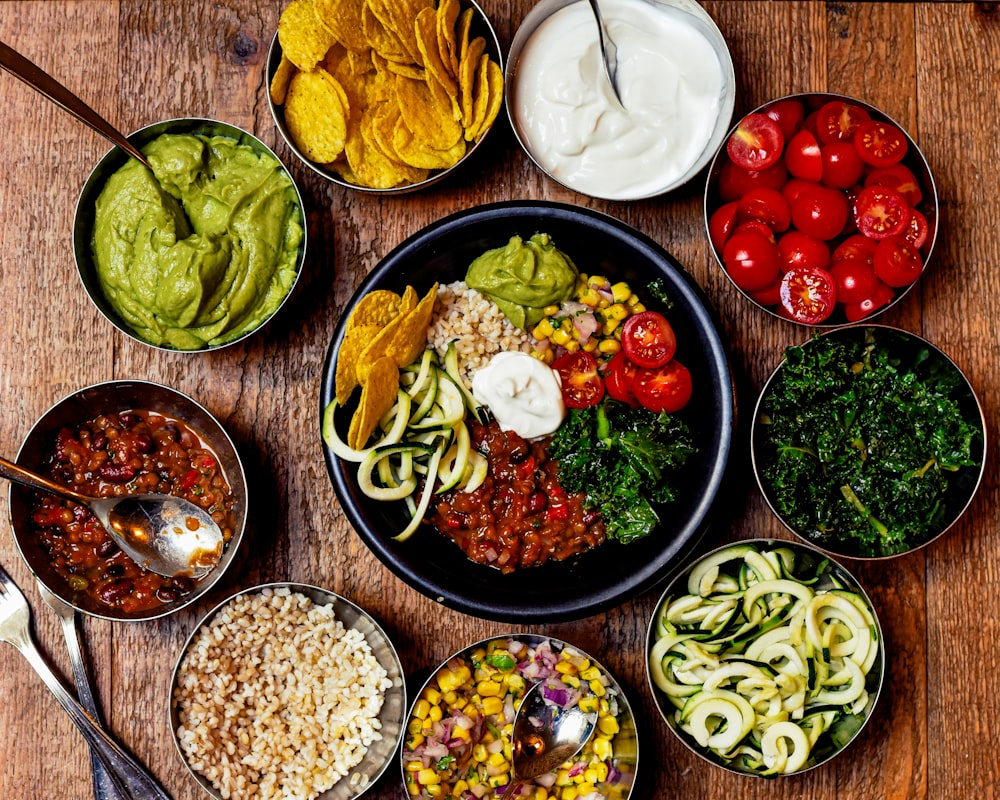
Meal Prep Inspiration
Visual examples of balanced, nutritious meals you can prepare





Discover Practical Nutrition Strategies
Explore our comprehensive collection of articles and resources to deepen your understanding of nutrition and develop habits that support your health goals.
Browse Our ArticlesSuccess Stories from Our Readers
Real experiences from people who've applied nutrition principles to improve their health
"The practical guidance made it easy to build habits that stick. A client from Bristol, United Kingdom habits that stick."
Sarah Mitchell
Bristol, United Kingdom
"I was overwhelmed by contradictory diet advice. These articles explained the science in simple terms. Now I understand macronutrients, how to read labels, and how to make meals that work for my lifestyle. It's genuinely helpful information."
James Chen
Manchester, United Kingdom
"As a busy parent, I needed realistic meal prep strategies. These practical tips help me feed my family nutritious food without spending hours cooking. My kids are eating more vegetables, and I feel better knowing they're getting proper nutrition."
Emma Rodriguez
Leeds, United Kingdom
"I've tried many nutrition approaches, but the balanced perspective here resonates with me. No extreme restrictions, just sensible guidance on whole foods and mindful eating. The information is evidence-based and really encouraging."
David Thompson
Edinburgh, United Kingdom
Begin Your Nutrition Journey Today
Access our complete collection of evidence-based nutrition guidance, meal prep ideas, and expert insights to build lasting healthy eating habits.
Have questions? Visit our FAQ or get in touch with our editorial team.
About Nutritionvitalmind
Nutritionvitalmind is an editorial platform dedicated to sharing evidence-based information about nutrition and healthy eating. Our content is created by experienced nutrition writers and reviewed for accuracy. We emphasise practical, sustainable approaches to nutrition rather than restrictive trends.
The information on this site is for educational purposes and should not replace professional personalised advice. For individual health concerns, please consult with a qualified healthcare provider.
Read our full disclaimer